Sensitive Plant (Mimosa pudica): The Amazing Plant That Closes When Touched
Sensitive Plant: The Amazing Plant That Closes Its Leaves When Touched
Have you ever seen a plant move? The Sensitive Plant (Mimosa pudica) is one of nature's most fascinating wonders. Simply touch its delicate leaves, and they instantly fold closed before slowly reopening a few minutes later. It's a living science experiment that amazes children and adults alike.
Known by many names—including the Touch-Me-Not Plant, Shame Plant, and TickleMe Plant—this incredible plant has been delighting people for generations. If you're looking for a unique gift, an educational activity, or simply one of the most interesting houseplants you can grow, the Sensitive Plant is hard to beat.
Why Does the Sensitive Plant Close Its Leaves?
Unlike most plants, the Sensitive Plant reacts almost immediately when touched. This rapid movement happens because the plant quickly shifts water pressure inside specialized cells at the base of each leaf. As the pressure changes, the leaves fold inward and the stems may even droop slightly.
Scientists believe this response helps protect the plant from grazing animals and harsh weather. To us, however, it looks almost magical!
A Favorite Plant for Kids
The Sensitive Plant has inspired a love of gardening in millions of children because it turns growing a plant into an interactive experience.
Kids love to:
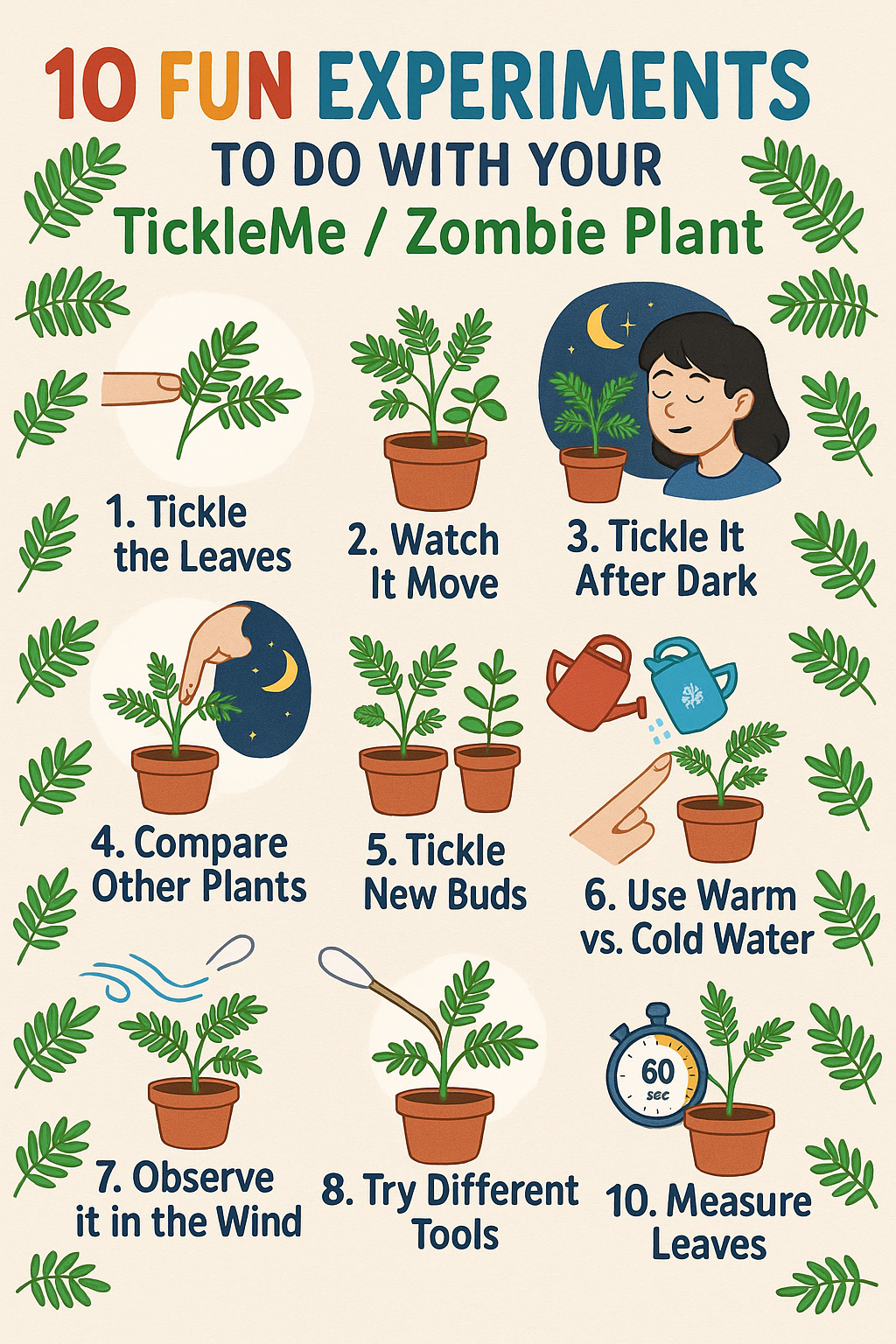
- Gently touch the leaves and watch them close.
- Observe the leaves reopen in just a few minutes.
- Learn about plant biology through hands-on discovery.
- Watch the plant grow and eventually produce beautiful pink, fluffy flowers.
For parents, grandparents, and teachers, it's a fun way to encourage curiosity about nature and science.
Beautiful Pink Flowers
Many people don't realize that mature Sensitive Plants produce beautiful pink, puffball-shaped flowers. These blooms appear after the plant has grown for several weeks under good conditions.
The flowers add another layer of excitement, transforming the plant from a fun science activity into an attractive flowering houseplant.
Easy to Grow Indoors
Sensitive Plants grow surprisingly well indoors when given:
- Bright light or a sunny window.
- Warm temperatures.
- Regular watering without keeping the soil soggy.
- Well-draining potting mix.
With proper care, you'll enjoy months of fascinating leaf movements and beautiful growth.
Why Choose TickleMe Plant?
At TickleMe Plant, we've spent more than 25 years helping families experience the wonder of the Sensitive Plant.
Our seed kits are designed to make growing easy and fun, whether you're introducing a child to gardening, looking for a unique educational project, or searching for a memorable gift.
Thousands of families, teachers, and gift shoppers have discovered why the TickleMe Plant continues to be one of the most talked-about novelty plants available.
Frequently Asked Questions
Is the Sensitive Plant real?
Absolutely! The Sensitive Plant (Mimosa pudica) is a real tropical plant famous for its ability to close its leaves when touched.
How long does it take to grow?
Seeds usually sprout within days under warm conditions. The plants continue growing for several weeks and can eventually produce their distinctive pink flowers.
Does touching the leaves hurt the plant?
Gentle touching is perfectly fine. However, repeatedly triggering the leaves many times each day can temporarily use some of the plant's energy, so it's best to let the leaves fully reopen between demonstrations.
Can I grow one indoors?
Yes! Sensitive Plants make excellent indoor houseplants when provided with bright light and proper care.
Bring Nature to Life
Few plants create smiles the way a Sensitive Plant does. Watching the leaves instantly respond to your touch never gets old, whether you're five years old or ninety-five.
If you've never grown one before, you'll quickly understand why so many people call it the world's most amazing interactive plant.
Experience the fun for yourself with a TickleMe Plant and discover why this remarkable Sensitive Plant has fascinated gardeners, teachers, and families for generations.